


Common Scams & Frauds in Crypto Investment & How to Avoid Them

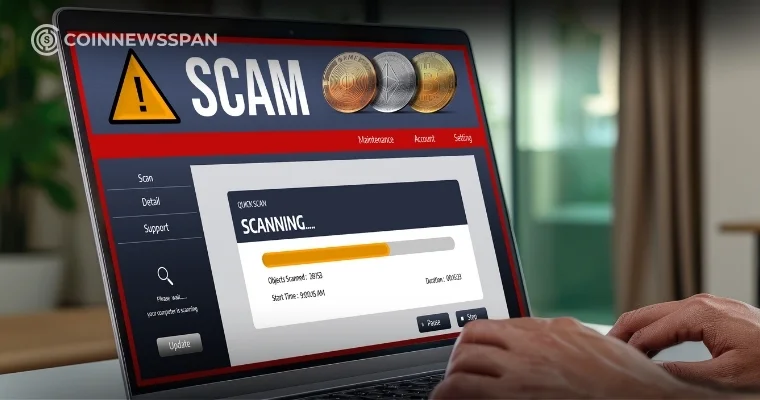
Cryptocurrency adoption has expanded rapidly in recent years, and with that growth comes an increase in crypto investment scams. As global investments increase, scams have become more frequent and more sophisticated. Understanding how these frauds work is crucial for both new and experienced investors. Awareness, sound research, and education are essential tools that help reduce the risk of falling victim to fraud and protect your crypto savings.
Why Crypto Scams Are Rising?
The upsurge in crypto fraud is a direct outcome of the features that add to the allure of these digital currencies. Cryptocurrencies are built on decentralized networks that are lightly regulated, so fraudsters can exploit the lack of a central authority to safeguard investors or reverse illegal transactions. The complete anonymity, coupled with the irreversibility of blockchain operations, has made it highly convenient for a fraudster to steal from an account and then vanish without any trace.
Common Crypto Investment Scams
1. Fake Investment Platforms
Fake investment platforms are one of the most common crypto investment scams. They resemble authentic exchanges closely, but all the control lies with the fraudsters who manipulate the websites at their will. After making deposits, users realize they are not allowed to withdraw funds or that the website has disappeared. A good way to avoid falling into such traps is to verify the platform’s authenticity and check user reviews.
2. Phishing Scams
Phishing scams have an unsuspecting way of luring users into disclosing crucial personal details. Just when the victims enter their information, the scammers gain access and drain their wallets, often with no way to undo the transactions. Always verify the URLs and do not submit your credentials through unsolicited links.
3. Crypto Giveaway Scams
Crypto giveaway scams capitalize on the thrill of free money. Fraudsters post fake social media ads, impersonating famous people or crypto tycoons. They usually present mouth-watering offers, driving users into making irrational decisions. These scams can go viral through bots and fake accounts very quickly, so it is very important to stay skeptical towards unsolicited offers.
4. Rug Pulls
Rug pulls are one of the strategies that involve running various campaigns for a new cryptocurrency and securing massive funding in return. These promoters eventually disappear, leaving investors with digital assets with relatively insignificant value. Conducting thorough, comprehensive research on teams and project fundamentals is an effective risk mitigation strategy.
5. Pump-and-Dump Schemes
Pump-and-dump schemes involve gradually raising the price of a cryptocurrency through misleading information to lure buyers (“pump”), then selling the scammer’s holdings quickly at the highest price (“dump”). After the scammer sells, prices drop, and other investors incur huge losses.
Important Red Flags Every Crypto Investor Should Know
One standard indicator to look out for is the offer of unrealistic, phenomenal profits. An investor in a trustworthy project will always receive complete documentation, including a whitepaper, team, and a realistic roadmap, while the opposite is a sign of deceit.
Moreover, fraudsters frequently resort to pressure tactics and urgent deposit requests to restrict customers’ ability to conduct due diligence. Other strong indicators include shabby websites, inflated social media presence, claims of liquidity locked or inaccessible, and developer anonymity, which make sudden fund withdrawals and project termination more likely.
How to Protect Yourself From Crypto Scams?
To avoid being lured into crypto scams, the very first step is to conduct an in-depth study and thoroughly verify the project. The recommended practice is to examine a project across all its aspects, including the whitepaper, the team and their credentials, the roadmap, and on-chain activities.
Make it a rule to rely only on the most reputable exchanges and wallets with a strong security history, rather than the unknown ones. Always confirm the website URL, social media accounts, and messages, and do not click links in unsolicited emails, messages, or advertisements. Whenever possible, enable two-factor authentication and store private keys in secure, offline storage to substantially reduce the risk of hacking.
Role of Regulations and Investor Awareness
Regulatory developments over the years have sought to reduce the incidence of fraud in cryptocurrencies by establishing more explicit rules, deploying stringent compliance measures, and fostering collaboration between the countries concerned. Some of the regulations that are imposed on the platforms to hold them accountable and hence dissuade any illicit activities are the Know Your Customer (KYC) regulations, and revealing the company’s financials. However, simply enforcing rules is not enough. Investor education is necessary, as it makes users aware of the risks, while community reporting and shared awareness help faster discovery of scams and protect the larger crypto ecosystem.
Conclusion
The world of cryptocurrency is very dynamic, and to avoid being sidelined, one must be alert and make informed decisions. Investors can significantly reduce their risk of falling victim to scammers by combining thorough research, careful investment methods, and trustworthy security tools.
Furthermore, being up to date with the latest scam techniques and understanding the project fundamentals provides additional safety. To sum up, a secure crypto investment requires knowledge, self-control, and a vigilant approach, ensuring that digital assets are handled securely and ethically while reaping the benefits of this novel financial ecosystem.
